What a small business website actually needs
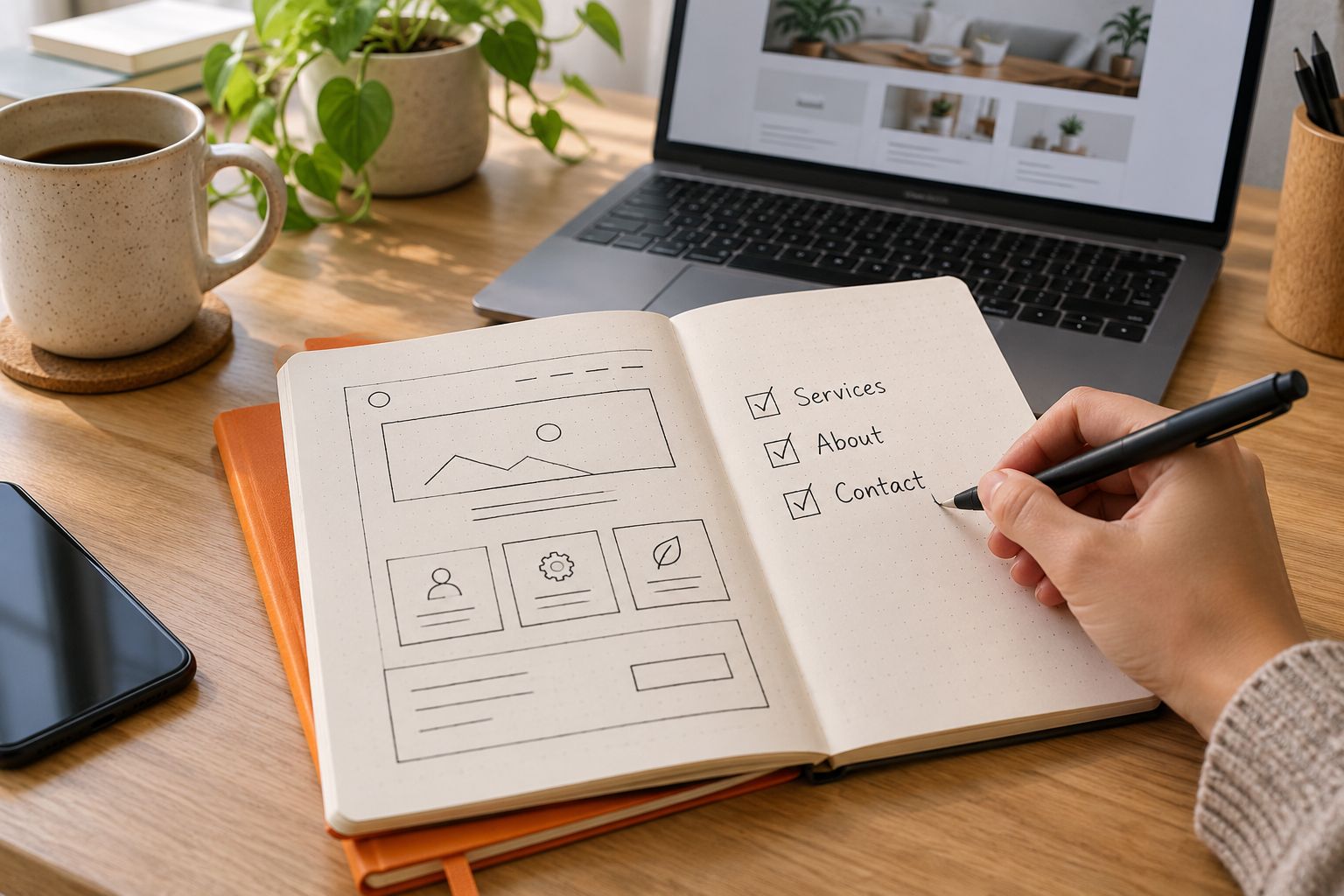
Plenty of small business websites try to say everything and end up saying nothing. Others are so thin that a customer can't tell what you do or how to reach you. The right answer sits in the middle, and it's shorter than most people expect.
Here's what I'd put on a local business website, and what I'd leave off.
The essentials
What you do, in one sentence. Someone should know within a few seconds whether you can help them. "Family-run plumbing and heating in Leigh" beats "Welcome to our website".
Where you work. If you cover Leigh and the towns around it, say so. It helps customers and it helps search engines understand who your site is for.
How to get in touch. A phone number that can be tapped on a mobile, an email address and a simple enquiry form. Put them at the top and again at the bottom, so nobody has to hunt.
Proof that you're good. A few real reviews, photos of your work, or the names of customers who are happy for you to mention them. This does more than any amount of clever wording.
Opening hours and address. If customers visit you, this is often the first thing they look for. Make it easy to find.
A clear next step. Every page should lead somewhere: call, book, request a quote. If a visitor finishes reading and has nothing to click, you've lost them.
Things you can leave off
- A long "about us" history that nobody asked for. Two or three friendly sentences about who you are is plenty.
- A page for every tiny service. Group them sensibly.
- Stock photos of handshakes. Real photos of you, your team and your work are better, even if they're taken on a phone.
- A news section you'll never update. An old date at the top of your latest news makes a business look closed.
- Music, pop-ups and sliders that move on their own. They slow the site down and annoy people.
How many pages do you need?
It depends on the business. A single well-designed page can be enough for a business that just needs to be found and contacted. A builder or tradesperson with project work to show usually benefits from a few pages: home, about, services, projects and contact. Something more complex, like an estate agent with property listings, needs a custom build.
Start with what your customers need to know, then pick the number of pages that fits. Not the other way round.
A quick self-check
Ask someone who doesn't know your business to look at your site for ten seconds on their phone, then tell you:
- What do we do?
- Where do we work?
- How would they get in touch?
If they can't answer all three, that's the first thing to fix.
Keep it easy to update
A site is only useful if it's accurate. Opening hours change, prices go up, you finish a new project. That's why I build every site on WordPress with custom fields, so you can update the important bits yourself without waiting for a developer.
If you'd like a second opinion on your current site, or you're starting from scratch, get in touch and I'll give you honest, friendly advice.